Croatia Snorkeling
Adriatic Dive Guide

Croatia Snorkeling Best Places

The Croatian Adriatic holds more than 1,200 islands, many fringed by underwater cliffs, karst caves, and Posidonia meadows that support exceptional water clarity. This guide identifies the snorkeling sites where geology, marine protection, and access converge—from the electric-blue glow of Biševo's sea cave to the coral-colonized reefs of the Kornati archipelago.

9 min read Updated 2026-10-01 Fact-checked
Croatia Snorkeling Best Places

Quick answer

The best snorkeling in Croatia concentrates along the Dalmatian coast and outer islands, where limestone substrate and minimal agricultural runoff maintain visibility between 20 and 40 meters. Blue Cave on Biševo Island, the Kornati National Park reefs, Mljet's saltwater lakes, and the western shores of Vis Island consistently rank highest for species diversity and underwater topography. Peak conditions run May through October, with water temperature reaching 24–26°C in summer months.

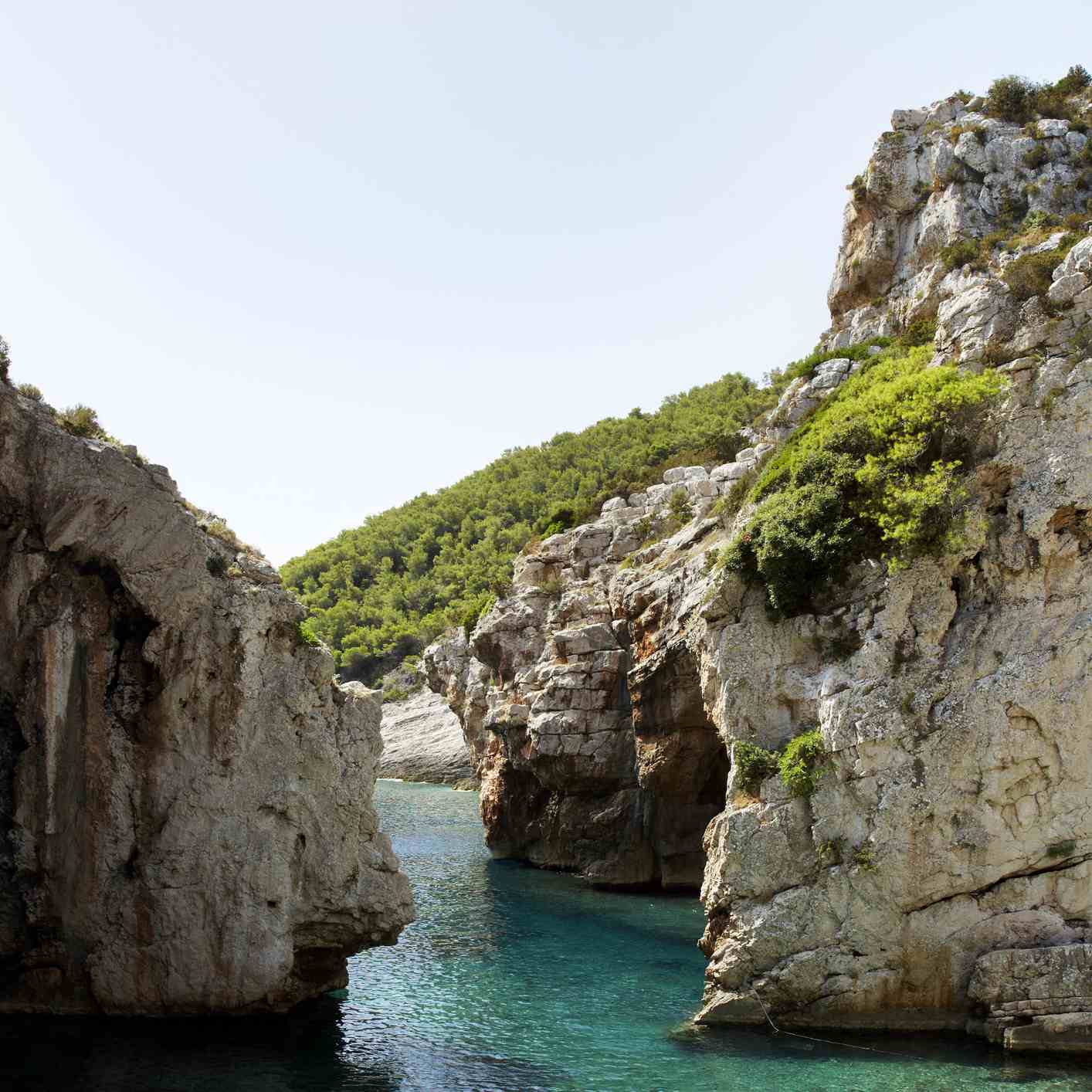
The Adriatic seabed along Croatia's coast descends in terraced limestone benches, a geological inheritance of the Dinaric karst system that continues underwater. These shelves create shallow reef platforms where Mediterranean sponges, octopus, and schools of gilt-head bream congregate within snorkeling depth. Blue Cave (Modra špilja) on Biševo Island serves as both a natural monument and a working example of how light interacts with submerged limestone. Sunlight enters through an underwater opening between 09:00 and 12:00, refracts against the white calcium floor, and casts the interior in cyan luminescence. The conservation fee of 24 EUR applies to regulated small-boat access; the cave's address is Mežuporat, Biševo Island, and the official site at modraspilja.hr lists current entry protocols. Visibility inside the grotto exceeds 30 meters on calm days. Kornati National Park, 35 kilometers offshore from Šibenik, comprises 89 islands within a strictly managed marine zone. The western outer reefs drop vertically to 60 meters, their walls colonized by red and yellow gorgonians. Snorkelers work the shallower saddles and channels where damselfish, wrasse, and juvenile grouper shelter in crevice systems. Park entry requires a separate permit, and most visitors arrive by organized excursion from Murter or Zadar. Mljet Island's twin saltwater lakes—Veliko and Malo Jezero—function as enclosed lagoons connected to the open sea by a narrow channel. Tidal exchange is limited, water temperature runs 2–3°C warmer than the surrounding Adriatic, and the absence of boat traffic creates nursery conditions for juvenile fish. The lakebed slopes gently, making it accessible for beginners. Vis Island, particularly the bays near Stiniva and Stončica, offers similar clarity with more dramatic underwater relief—limestone overhangs, swim-throughs, and fields of Neptune grass that stabilize the sand and filter particulates. The island remained a military zone until 1989, a restriction that inadvertently preserved its coastal ecosystems from development pressure. Croatia snorkeling best places share common traits: hard substrate that resists sediment suspension, limited river discharge, and either national-park status or geographic isolation that curtails human impact. Water clarity in these zones routinely surpasses 25 meters from late spring through early autumn, a threshold that separates functional snorkeling from true underwater observation.

“The Adriatic seabed along Croatia's coast descends in terraced limestone benches, creating shallow reef platforms where Mediterranean sponges and schools of bream congregate within snorkeling depth.”
Timing

When to Visit for Croatia Snorkeling Best Places

The period from June to September offers the most favorable conditions for snorkeling in the Adriatic Sea, characterized by high water clarity and warm temperatures. During these months, water temperatures typically range between 22°C and 27°C, providing comfort for extended underwater activity.

Late Spring (May-June)

Moderate crowds

Air 20-25°C, water 19-22°C. Visibility is high before peak summer winds arrive. Each session provides clear views of seafloor topography.

Peak Summer (July-August)

High visitor volume

Air 28-32°C, water 24-27°C. Warm waters allow for longer sessions without thermal discomfort. This period coincides with calm sea conditions common in the Adriatic.

Early Autumn (September)

Decreasing crowds

Air 23-27°C, water 22-25°C. Water remains warm from summer heating while surface traffic declines. Clear water persists as the Adriatic retains its seasonal clarity.

Weekday Mornings

Low surface traffic

—

Calm water surfaces provide the best visibility for snorkeling. Fewer boats create less disturbance, keeping sediment settled and underwater views sharp.

Verdict: For the clearest water and lowest crowd density, plan your snorkeling excursions for weekday mornings throughout June or September.

What to see

Top Croatia Snorkeling Best Places by Region

The Adriatic Sea offers diverse snorkeling environments ranging from rocky island coves to protected marine zones. These regions provide access to clear waters and varied Mediterranean marine life.

Pakleni Islands

Pakleni Islands

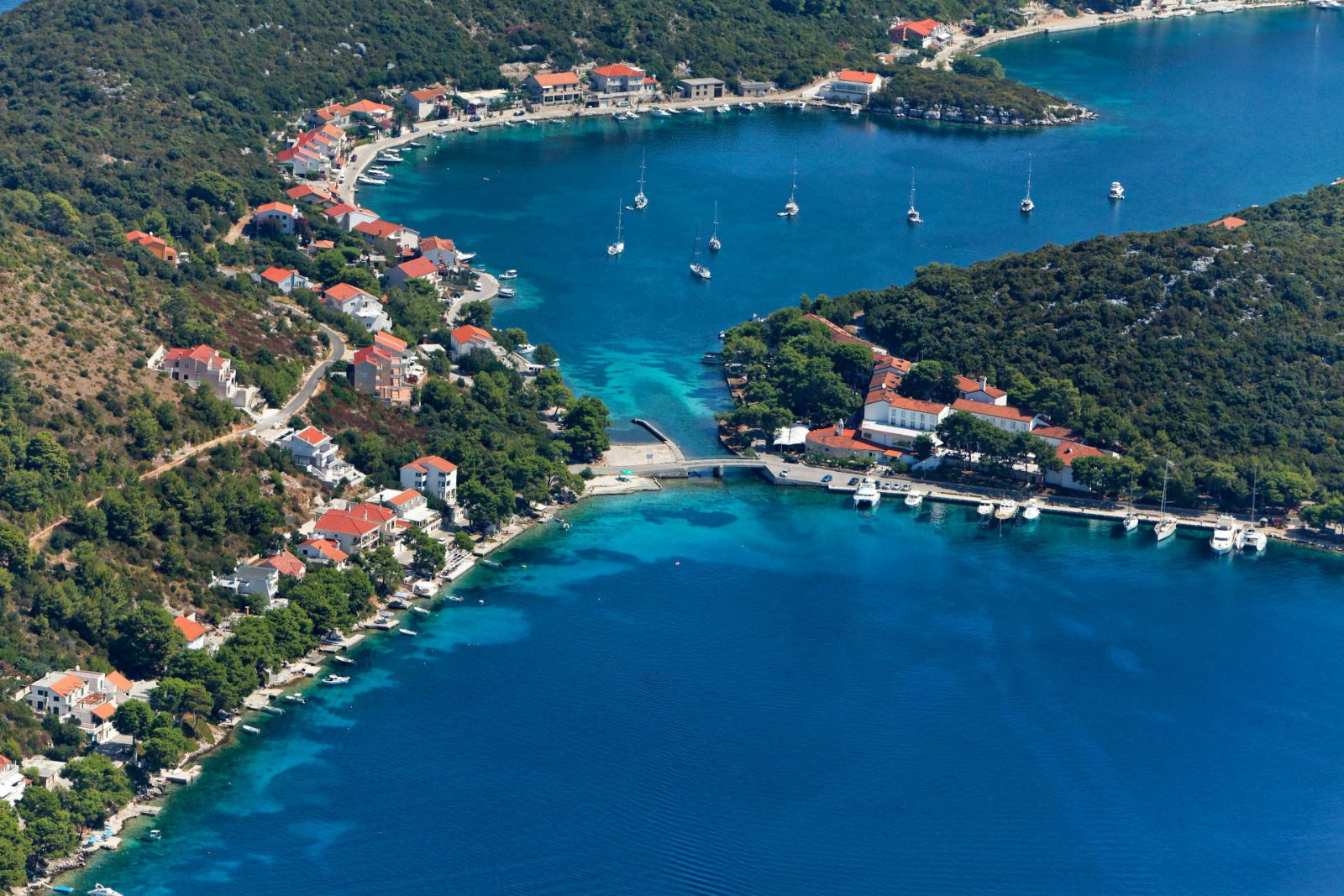
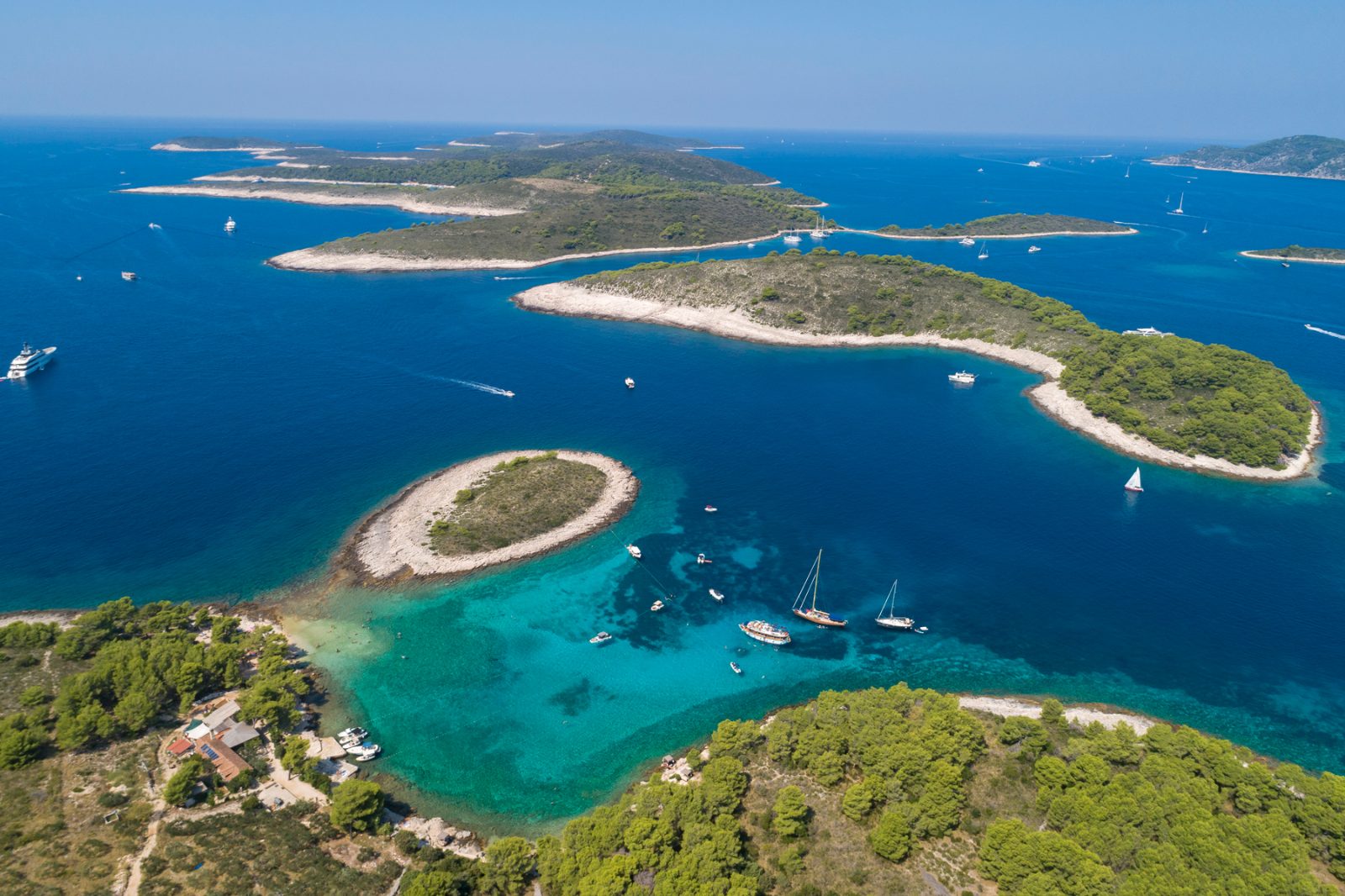
Located near Hvar, this archipelago features shallow, sheltered bays and rocky sea beds teeming with small fish. The water clarity is consistent throughout the summer months.

Explore the channels between islands to find calmer, less crowded spots.
Blue Cave

Blue Cave

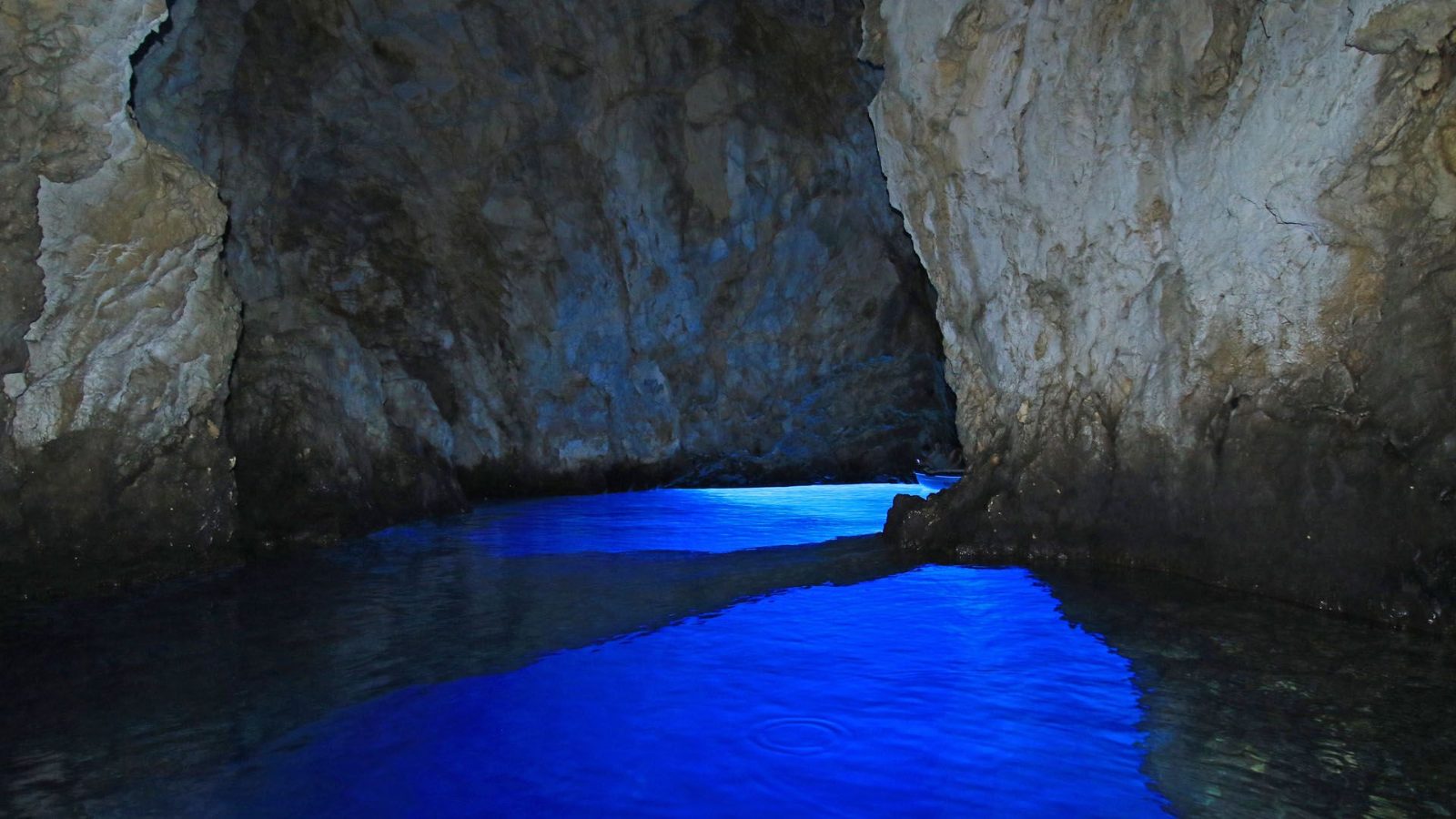
Located at Mežuporat on Biševo Island, this site is known for its intense blue light reflecting off the white sandy bottom. Access is restricted to regulated small boats.

Arrive between 09:00 and 12:00 for the optimal light angle.

Vis Island

Vis Island

Known for its deeper waters and surrounding islets, Vis offers caves and steep underwater cliffs that attract diverse species. The area is quieter than mainland coastal sites.

Focus on the coves around Stiniva for dramatic underwater rock formations.

Lastovo Archipelago

Lastovo Archipelago

This nature park contains remote bays with high biodiversity and extensive seagrass meadows. It is a preferred destination for those seeking undisturbed marine environments.

Swim near the outer edges of the islets for deeper visibility.

Insider tips

Essential Tips for Exploring Croatia Snorkeling Best Places

Follow these practical guidelines to ensure safety and preserve the marine ecosystem while snorkeling along the Adriatic coastline.

1

Identify sea urchin habitats

Sea urchins frequent rocky crevices and shallow seagrass beds; wear protective water shoes to prevent painful punctures when entering or exiting the water. Avoid stepping on dark patches on the seafloor to protect both your feet and the fragile underwater organisms.

2

Monitor Adriatic currents

Tidal changes in the Adriatic can create subtle but persistent currents, particularly around narrow island channels. Always observe local water movement for five minutes before entering and plan your swim to return against any current while you have the most energy.

3

Respect protected marine areas

Many prime snorkeling spots are within Marine Protected Areas where removing shells, stones, or marine life is strictly prohibited. Observe wildlife from a distance and avoid using sunscreen containing oxybenzone, which harms coral and seagrass health.

4

Manage buoyancy for safety

Over-inflating a snorkel vest can make it difficult to dive down for a closer look, while under-inflating may lead to fatigue in open water. Practice adjusting your buoyancy in shallow water to maintain a horizontal, energy-efficient position at the surface.

5

Signal your presence

Boating traffic is common near popular coastal sites, often moving faster than snorkelers anticipate. Utilize a high-visibility surface marker buoy to ensure vessel operators can identify your position, especially when snorkeling beyond the immediate shoreline.

Directions

How to Reach Croatia Snorkeling Best Places

Most snorkeling locations in the Adriatic are accessible via regional ferry lines departing from hubs like Split or Dubrovnik. For remote coves such as those near Biševo Island, local boat charters provide the most direct access.

Boat 2 hours 20 min —

Split to Vis (Jadrolinija ferry)

Boat 30 min 24 EUR

Vis to Biševo (regulated local boat)

Car Variable —

D8 Coastal Road to ferry ports

Taxi Variable —

Local transport to port departure points

For access to the Blue Cave at Mežuporat, Biševo Island, plan your arrival between 09:00–12:00. This is the best arrival window when sunlight enters the cave at the optimal angle to create the signature electric-blue glow.

Checklist

Preparation Checklist for Croatia Snorkeling Best Places

Pack the right gear and confirm your boat booking in advance to make the most of Adriatic snorkeling conditions.

Book

Check availability

Frequently asked

Frequently asked questions about croatia snorkeling best places

Everything you need to know about croatia snorkeling best places

What are the best locations for snorkeling in Croatia?

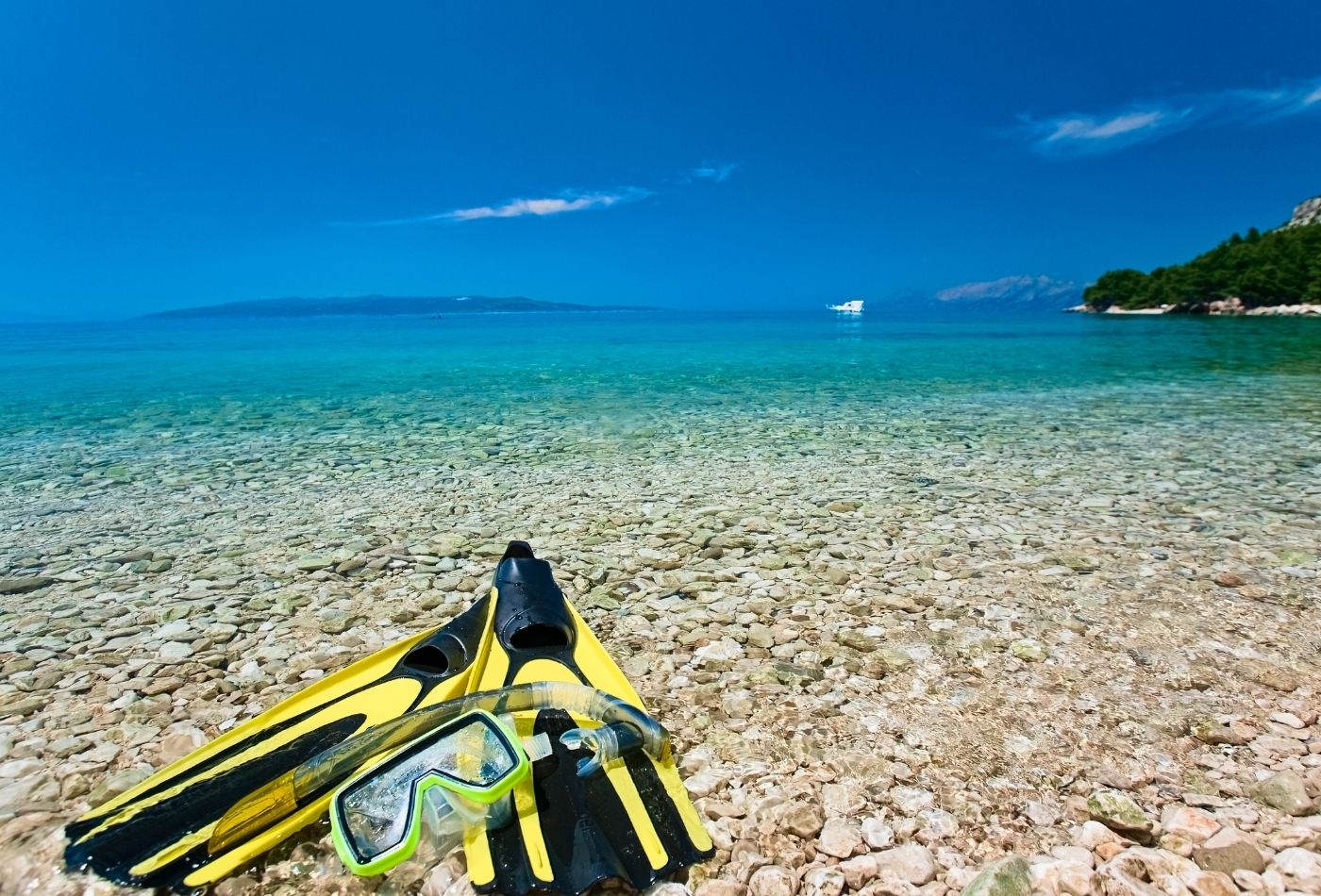
The Adriatic coastline offers many hidden coves and rocky shores, making the search for croatia snorkeling best places an exciting endeavor. Popular areas include the islands of Vis, Hvar, and the Kornati archipelago where crystal clear water provides high visibility. Exploring these underwater landscapes allows you to discover diverse marine life and rock formations. Many travelers consider the remote islands to be among the croatia snorkeling best places for those seeking tranquility. An entrance fee of 24 EUR is required as a conservation fee for regulated small boat access to the Blue Cave. This fee covers the administrative costs associated with maintaining access to this protected natural site. Please ensure you are aware of all local regulations before planning your trip to these croatia snorkeling best places. Sunlight enters the cave at the optimal angle to create the signature electric-blue glow between 09:00 and 12:00. Arriving during this window ensures the most vivid visual experience for visitors. Planning your visit within this period helps you capture the most significant light conditions in this unique sea cavern. Swimming and snorkeling are strictly prohibited inside the Blue Cave to protect the fragile environment. Visitors must remain on authorized small boats while inside the cave area to minimize ecological impact. It is essential to respect these conservation rules when visiting popular marine landmarks. For your snorkeling gear, ensure you have a well-fitted mask, a dry snorkel, and fins for easier movement. Many visitors also carry a waterproof camera to document their experience at various croatia snorkeling best places. Sun protection, such as eco-friendly sunscreen and UV-rated rash guards, is highly recommended for long days in the water. Yes, numerous local operators provide boat transport and guided excursions to top swimming spots along the coast. These tours often manage the logistics of reaching isolated sites that are otherwise difficult to access. Information on these services can be found through our booking widget to help organize your visit. September and early October are ideal times for exploring the sea as the water remains warm after the summer months. During this period, the crowds are smaller, making it easier to enjoy the solitude of the coastline. You can enjoy the mild temperatures and calm sea conditions while visiting your chosen snorkeling destinations.

Keep reading

More guides & pages