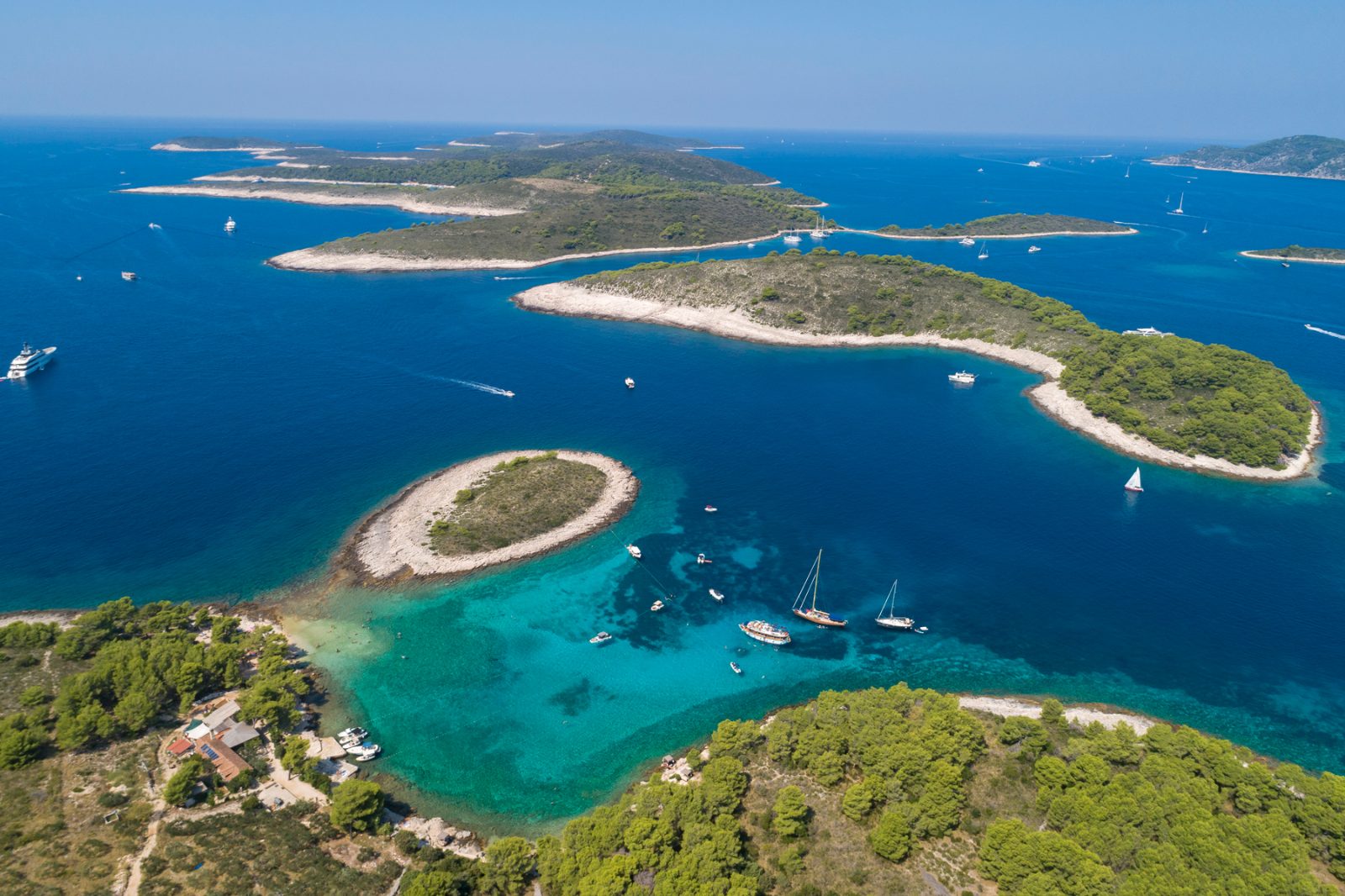
Pakleni Islands
Located off the coast of Hvar, this archipelago features shallow turquoise lagoons and hidden coves accessible by boat. Look for schools of damselfish among the seagrass meadows.
Explore the coves on the south side for clearer water.

The Croatian Adriatic stretches 1,777 kilometers and shelters over a thousand islands, most ringed by rocky coastline that drops cleanly into transparent water. Snorkeling here means direct shore access to limestone reefs, seagrass meadows, and protected marine zones where visibility regularly exceeds 30 meters.
Quick answer
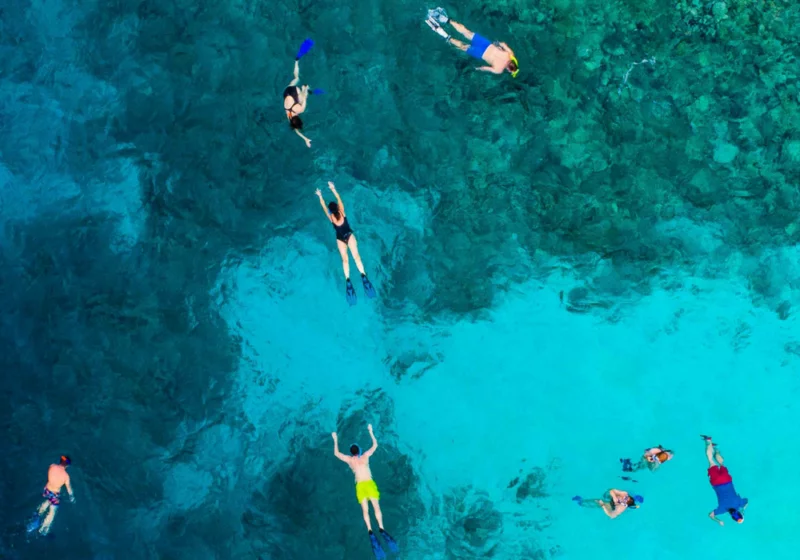
The best snorkeling in Croatia clusters around national marine parks and island nature reserves along the Dalmatian coast. Kornati National Park, Mljet, and the Brijuni archipelago offer protected waters with minimal boat traffic, high visibility, and marked underwater trails. Entry to coastal waters is free; specific national parks charge separate boat access fees. Early morning between 07:00 and 11:00 provides the calmest conditions and strongest light penetration before afternoon winds stir the surface.
Croatia's karst geology creates an underwater topography unlike anything in the northern Mediterranean—vertical walls descend from the shoreline without mudflats or river deltas to cloud the water. The result is clarity that rivals tropical seas, sustained by the Adriatic's low nutrient load and minimal industrial runoff along the island chains. Dalmatian snorkeling sites divide into three environments. Rocky foreshores dominate the northern islands—Cres, Lošinj, Rab—where limestone formations drop through zones of red and brown algae into deeper posidonia beds that shelter octopus, cuttlefish, and juvenile sea bream. The central Kornati archipelago offers 89 uninhabited islands with sheer outer cliffs facing open sea and sheltered inner channels where damselfish and wrasse concentrate around submerged boulders. Southern sites near Mljet and the Pelješac peninsula feature deeper seagrass meadows and occasional loggerhead turtle sightings during summer months. Coastal access is unrestricted outside posted swimming zones, though national park waters require entry permits that cover terrestrial trails and marine zones together. Water temperature peaks between July and September, reaching 25°C, but Croatian snorkeling extends across a longer season than most Mediterranean destinations. May and October maintain 18-20°C readings—cold enough to justify a shorty wetsuit but warm enough for extended surface time—and offer the advantage of uncrowded entry points and stable weather windows. The maestral, a northwest wind that builds through midday during summer, defines the rhythm of Adriatic snorkeling: mornings deliver glassy conditions and afternoon chop signals the end of productive water time. Marine life follows seasonal patterns tied to spawning cycles and temperature. Spring brings migrations of pelagic species—bonito, mackerel—close to shore. Summer concentrations of sardines attract amberjack and occasional tuna to outer reef edges. Autumn sees octopus move into shallower rock crevices, and winter, though cold, provides the year's highest visibility as plankton blooms subside and tourist activity ceases entirely. The Adriatic lacks the coral reefs that dominate tropical snorkeling, but its rocky substrate supports a different kind of complexity: vertical relief, swim-throughs, and ecological zones compressed into the first ten meters of depth.
“Karst geology creates underwater clarity that rivals tropical seas, sustained by the Adriatic's low nutrient load and minimal industrial runoff along the island chains.”
The optimal time for snorkeling in the Adriatic Sea is during the early morning arrival window of 07:00–11:00. This period consistently provides the calmest water surface and superior light conditions for underwater visibility before daily winds increase.
Warm waters, 23°C to 27°C
Long daylight hours allow for extended sessions.
Mild, 19°C to 22°C
Water temperatures remain comfortable with fewer crowds.
—
Early arrival ensures the clearest conditions before afternoon breeze patterns.
Verdict: To experience the best visibility and calmest sea conditions, plan your snorkel for weekday mornings between 07:00 and 11:00 during the months of June or September.
Snorkeling in the Adriatic Sea is accessible free of charge in public coastal waters. Access costs primarily hinge on whether you visit protected areas that require independent boat fees.
Verdict: A typical adult pays 0 EUR for coastal access, though specific national parks may require separate boat fees.
The Adriatic Sea offers diverse snorkeling environments ranging from rocky island coves to protected marine reserves. These regions provide access to clear waters and varied Mediterranean marine life.
Located off the coast of Hvar, this archipelago features shallow turquoise lagoons and hidden coves accessible by boat. Look for schools of damselfish among the seagrass meadows.
Explore the coves on the south side for clearer water.
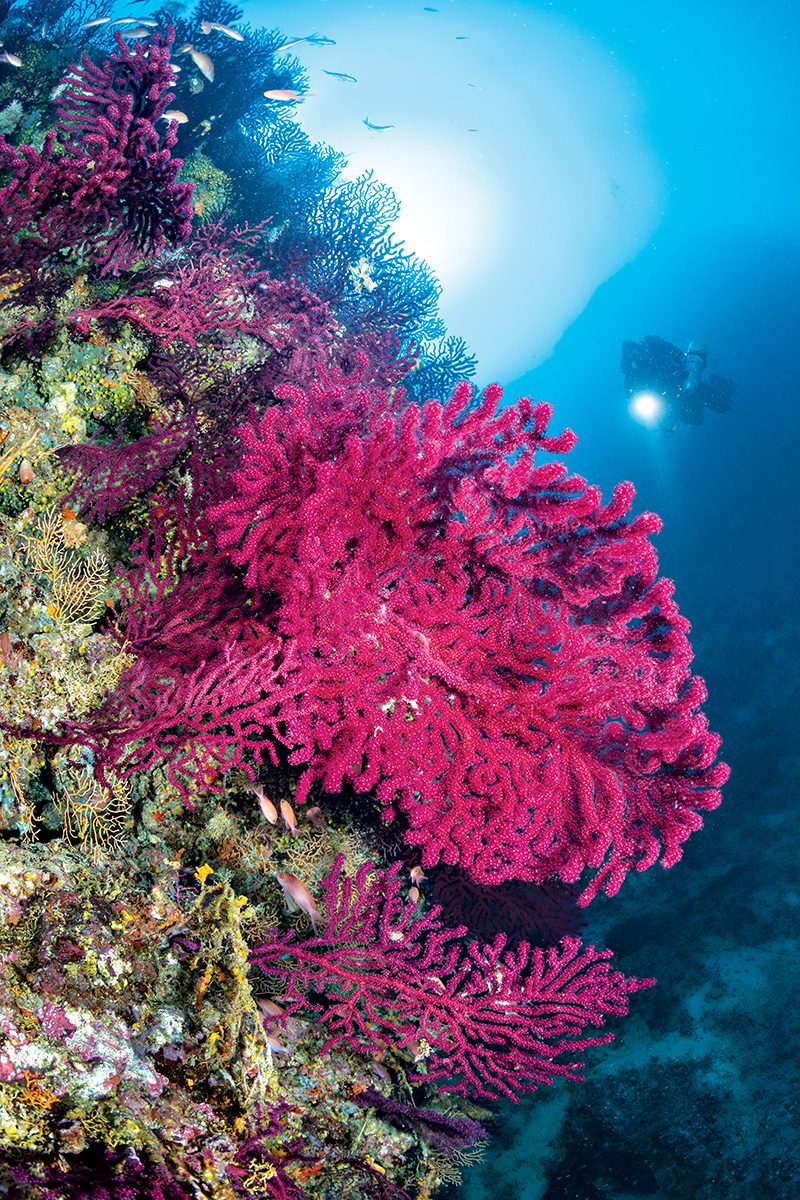
Known for its historical sites, the area around Vis includes underwater caves and the wreckage of Teti near Palagruža. The deep, clear water supports diverse sponges and Mediterranean fish species.
Visit the Blue Cave area early for better visibility.
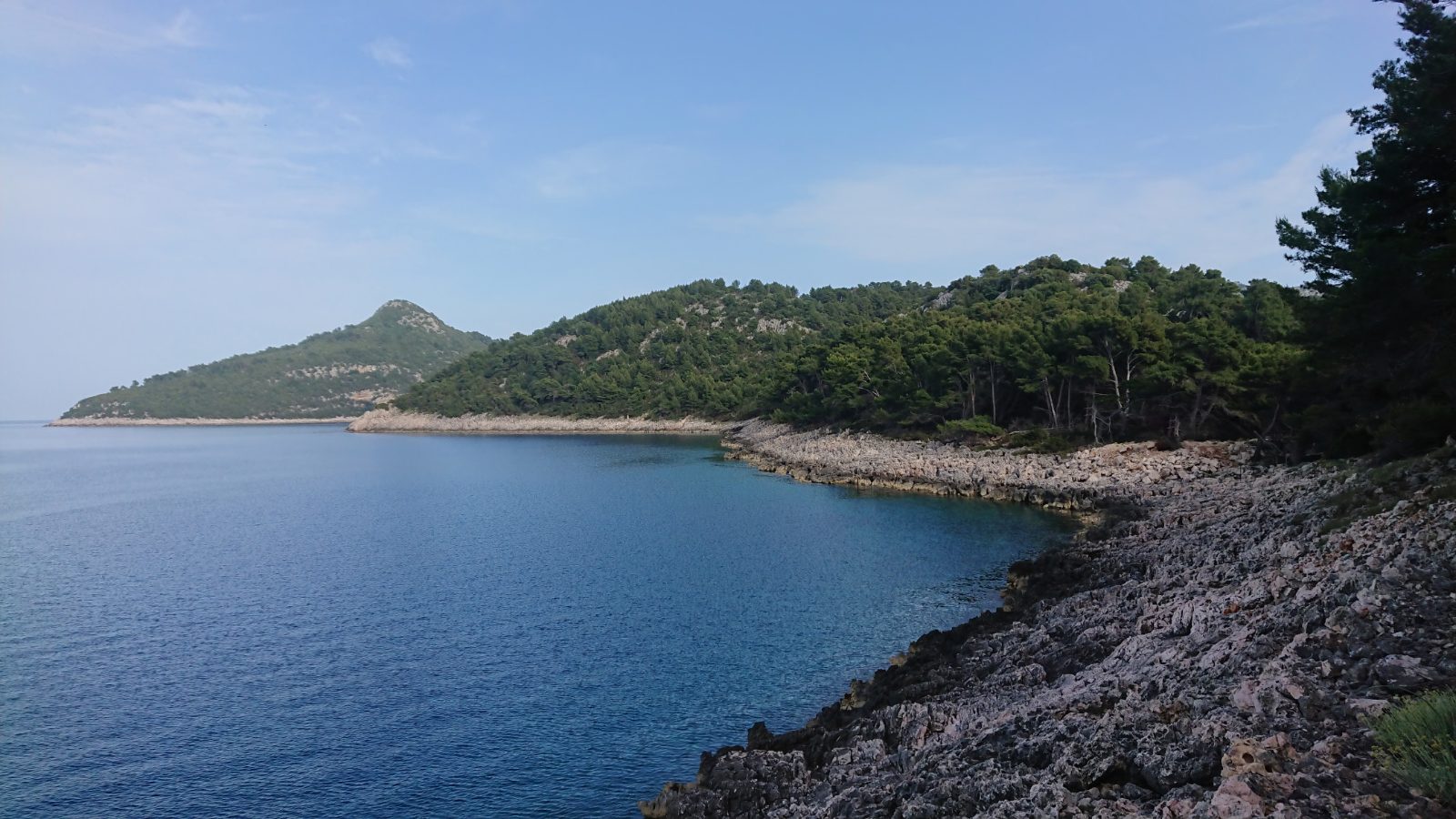
This nature park contains isolated islets with rocky shorelines and significant marine biodiversity due to strict protection. The underwater topography here consists of steep reefs and caverns.
Focus on the outer islet edges for deep drop-offs.
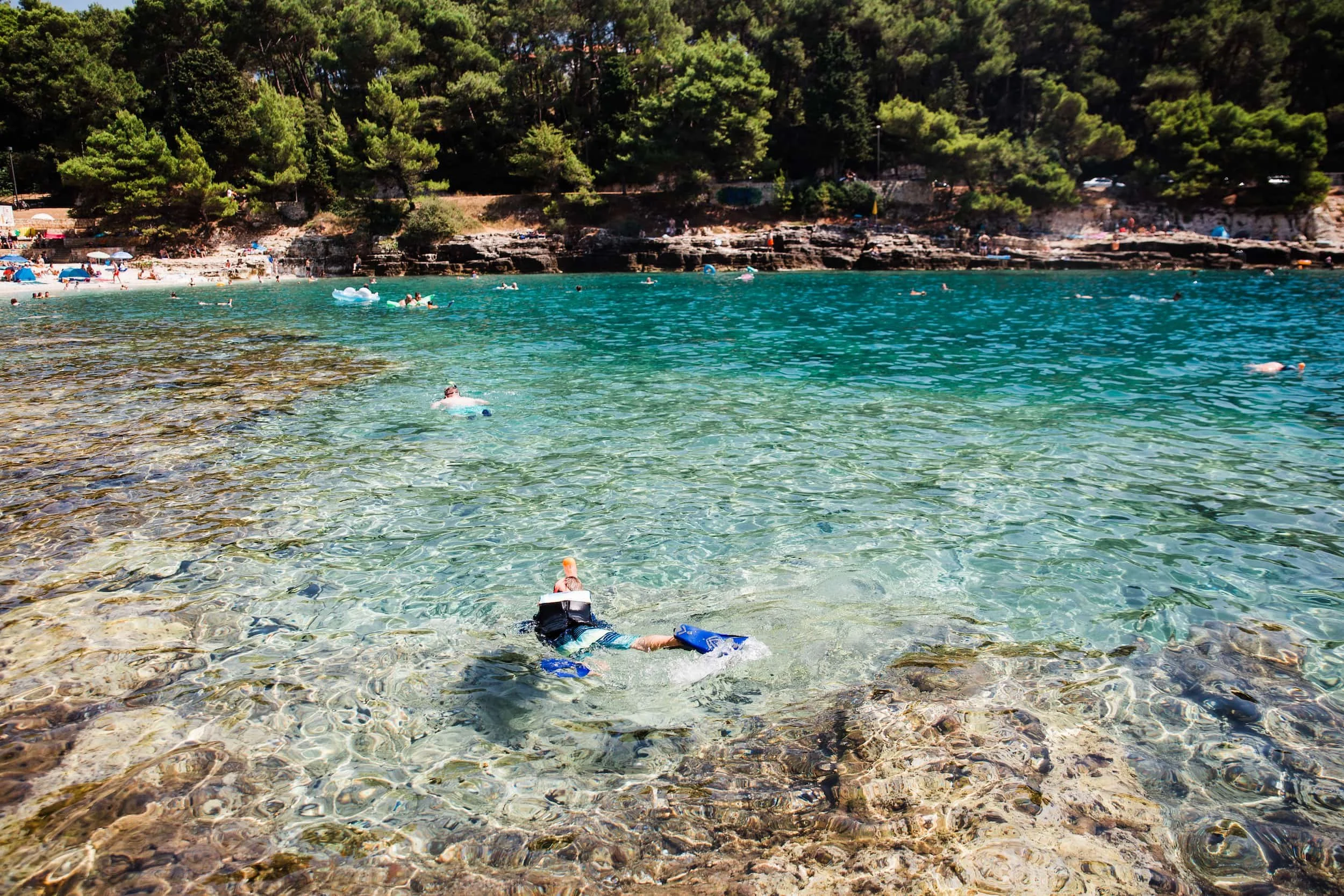
Situated at the southern tip of the Istrian Peninsula, this protected area features long stretches of rocky coast and abundant sea life. Currents here keep the water clear for observing octopuses and crabs.
Walk the coastal paths to reach less crowded entry points.
Prepare your equipment and confirm conditions before heading to the water.
Navigating the Adriatic requires specific local knowledge to ensure both personal safety and the preservation of the marine environment.
Identify sea urchins by their dark, spiny appearance on rocky crevices and always wear water shoes to prevent painful punctures. If a spine enters your skin, soak the area in warm vinegar to help soften the calcified material for easier removal.
While the Adriatic has low tidal variance, local 'tramontana' winds can shift water conditions rapidly. Monitor local weather apps for wind direction changes to avoid being pushed away from your entry point.
The Adriatic ecosystem is fragile; avoid touching or standing on reefs and rock formations to prevent damage to slow-growing organisms. Maintain neutral buoyancy by controlling your breath and avoiding contact with the seabed.
Reflection from the water increases UV exposure significantly during your session. Use reef-safe sunscreen applied at least twenty minutes before entering the water to ensure it remains on your skin rather than in the sea.
Enter rocky shorelines by sitting down and sliding into the water rather than walking in. This reduces the risk of slipping on algae-covered rocks and minimizes accidental contact with seabed inhabitants.
Everything you need to know about where to snorkel in croatia
You can find many locations where to snorkel in croatia along the expansive coastline of the Adriatic Sea. Popular spots include hidden coves near islands like Vis, Hvar, and Brač, which are accessible by boat or from the shore. Local operators offer guided excursions if you are unsure where to snorkel in croatia for the best underwater visibility. As you decide where to snorkel in croatia, consider areas with rocky shores that typically offer the clearest water conditions.
Entrance to coastal waters is free, though specific national parks charge separate boat fees. You do not need to purchase a ticket to swim along the public coastline. Coastal access is open 24 hours a day to the public.
The best arrival window for snorkeling is 07:00–11:00 to ensure calm seas and optimal light. This early timeframe helps you avoid midday winds that can disturb the surface of the Adriatic Sea. Planning your visit within this period provides the clearest visibility for observing the seabed.
Yes, snorkeling in the Adriatic is generally family-friendly due to the calm and clear conditions. Always ensure children wear proper flotation devices and remain supervised in the water at all times. Shallow rocky bays are excellent for beginners and younger participants.
While exploring the Adriatic, you may encounter sea urchins, starfish, small schools of Mediterranean fish, and occasionally octopus. It is important to avoid touching marine life or disturbing their natural habitat to preserve the ecosystem. Wearing water shoes is advised to protect your feet from jagged rocks and sea urchins.
To prepare for your adventure, check local weather forecasts and tidal information before heading to the shore. If you prefer a guided experience, you can explore available tours via our site to reach secluded spots. Having your own mask and snorkel allows for flexibility when exploring different coastal regions.