English| EUR
Suggested for you
More currencies
Choose a language
The Adriatic coastline offers more than 1,200 islands and countless coves, but not every site delivers the visibility and marine diversity visitors expect. This guide compiles verified feedback from recent snorkelers to help you identify which locations meet your criteria and what conditions to prepare for.
Quick answer
Snorkeling in Croatia reviews consistently highlight the Kornati Islands, Mljet National Park, and the Blue Cave area near Vis as top-tier sites for water clarity and marine biodiversity. Visitors report visibility exceeding 20 meters during calm summer mornings, with sightings of octopus, sea urchins, damselfish, and occasional Mediterranean moray eels. The Adriatic coastline is accessible year-round at no entrance fee, though optimal conditions occur May through September when water temperatures reach 22-26°C.
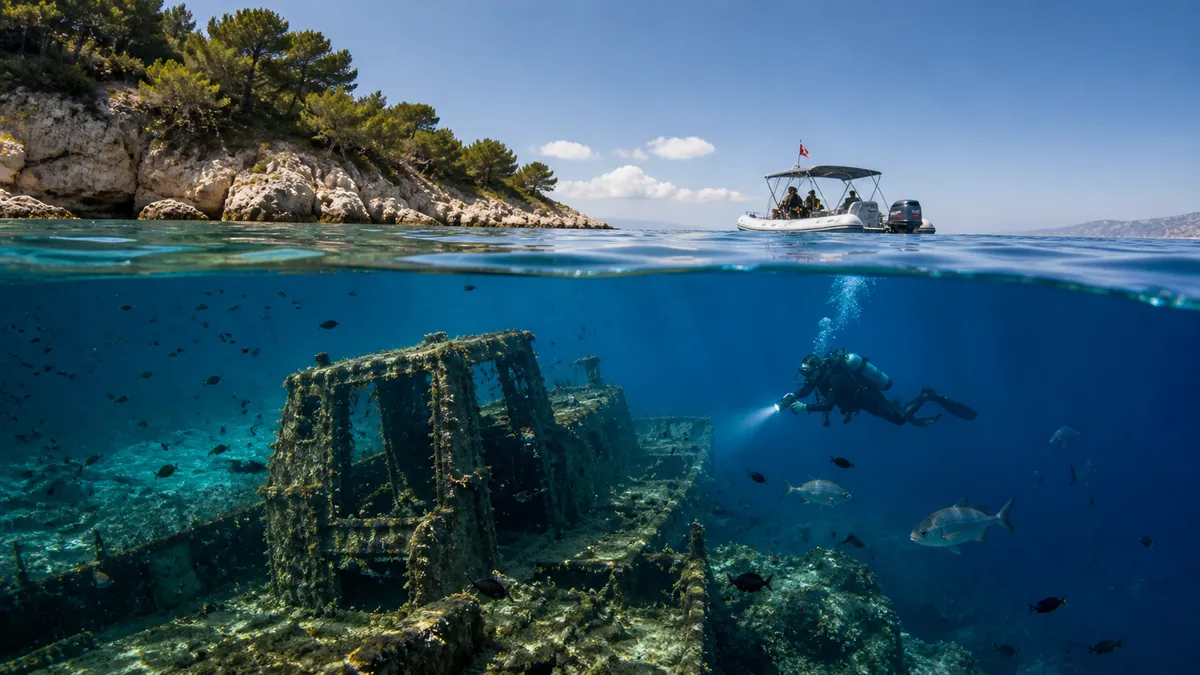
More than 340,000 international visitors snorkeled along Croatia's Adriatic coast in 2025, drawn by limestone karst formations that create dramatic underwater topography and shelter diverse marine ecosystems. Unlike tropical destinations, the Adriatic does not promise coral reefs or large pelagic species—its appeal lies in rocky drop-offs, submerged caves, and the clarity of its waters when conditions align. Recent snorkeling in Croatia reviews identify three variables that separate memorable sites from disappointing ones: substrate composition, exposure to wind, and proximity to boat traffic. Rocky seabeds with algae cover support populations of wrasse, bream, and small crustaceans, while sandy bottoms near popular beaches often yield sparse sightings. The northern Adriatic, particularly around Istria, experiences frequent summer bora winds that stir sediment and reduce visibility to under five meters. Southern sites near Dubrovnik and the Elaphiti Islands maintain calmer conditions but attract afternoon tour boats that disrupt marine activity. Visitors who arrive between 08:00 and 11:00 report the clearest water and least crowded entry points. Mljet's saltwater lakes and the protected bays of Lastovo Island receive consistent praise for beginner-friendly access and reliable fish populations. Intermediate snorkelers favor the Blue Cave on Biševo Island and the underwater cliffs near Dugi Otok, where depth transitions create encounters with grouper and schools of salema. Advanced explorers target the Kornati archipelago, where 89 islands form a labyrinth of channels with visibility often exceeding 25 meters and sightings of noble pen shells, a protected mollusk species unique to the Mediterranean. Croatian snorkeling reviews emphasize that the Adriatic rewards preparation over spontaneity. Water temperature drops sharply below the thermocline at 15 meters, even in summer, making wetsuits necessary for extended sessions. Rocky entries require reef-safe footwear, and many remote sites lack facilities or shade. Public beaches along the Makarska Riviera and near Rovinj offer convenient access but moderate visibility. For expedition-quality conditions, visitors consistently recommend booking small-group boat excursions to offshore sites where human impact remains minimal and marine life sustains natural behavior patterns.
“Rocky seabeds with algae cover support populations of wrasse, bream, and small crustaceans, while sandy bottoms near popular beaches often yield sparse sightings.”
The best time for snorkeling in the Adriatic is during the early morning hours, specifically between 08:00–11:00, to avoid mid-day heat and peak afternoon boat traffic. Planning visits during shoulder seasons balances water temperature with calmer coastal conditions.
Warm water 23°C to 26°C
Ideal for long sessions; water temperatures remain comfortable for extended periods.
Mild air with water 20°C to 23°C
Reduced boat traffic allows for better visibility in popular coastal areas.
—
The best daily window to avoid surface chop and crowds as recommended for the Adriatic Sea coast.
Verdict: For the best experience, visit on weekday mornings between 08:00–11:00 during the months of June or September.
Public beaches and the Adriatic coastline remain accessible at all hours for snorkeling enthusiasts. Visitors may access these areas daily without restriction.
Snorkeling locations are situated along the Adriatic Sea Coast, Croatia. Reaching remote coves and hidden bays requires independent travel planning via ferry, local bus, or rental vehicle.
Jadrolinija ferry routes to islands
Liburnija or Arriva regional lines
D8 Adriatic Highway
Coastal footpaths to isolated coves
To avoid mid-day heat and peak afternoon boat traffic, plan your arrival for the 08:00–11:00 window.
Prepare the right gear and verify local conditions before exploring Adriatic snorkeling sites.
The Adriatic's protected marine zones and active boat traffic demand careful conduct. Respecting wildlife and staying visible to vessels keeps the ecosystem intact and snorkelers safe.
Everything you need to know about snorkeling in croatia reviews
Travelers consistently highlight the exceptional water clarity and visibility across the Adriatic coastline in their feedback. Many snorkeling in croatia reviews emphasize the calm, warm conditions that make for a pleasant experience.
Access to the Adriatic Sea coast is free, meaning there is an entrance fee of 0 EUR for public shorelines. You can enjoy the underwater landscapes without purchasing tickets or paying admission fees to reach the water.
According to local guidance, the best arrival window is 08:00–11:00 to avoid mid-day heat and peak afternoon boat traffic. Planning your outing within these hours ensures a quieter experience while reviewing snorkeling in Croatia spots.
Yes, the coastline offers extensive public access for exploring reefs and marine flora. You can find many accessible areas where visitors share positive snorkeling in Croatia reviews regarding the ease of entry from the shore.
Most feedback suggests that the calm, shallow bays are ideal for those new to the activity. Readers often consult snorkeling in croatia reviews to identify sheltered coves where currents are minimal and visibility remains high.
Essential items include a well-fitting mask, snorkel, and fins to navigate the rocky seabed. While professional gear is available for rent, many reviews recommend bringing your own equipment to ensure comfort and proper fit.