
English| EUR
Suggested for you
More currencies
Choose a language
The Croatian Adriatic shelters more than 400 fish species, yet snorkelers reliably encounter a core group of 30 to 40 residents in shallow rocky zones and seagrass meadows. This guide maps the species you will actually see, the habitats that concentrate them, and the seasonal windows when juveniles, breeders and migratory visitors appear in numbers.
Quick answer
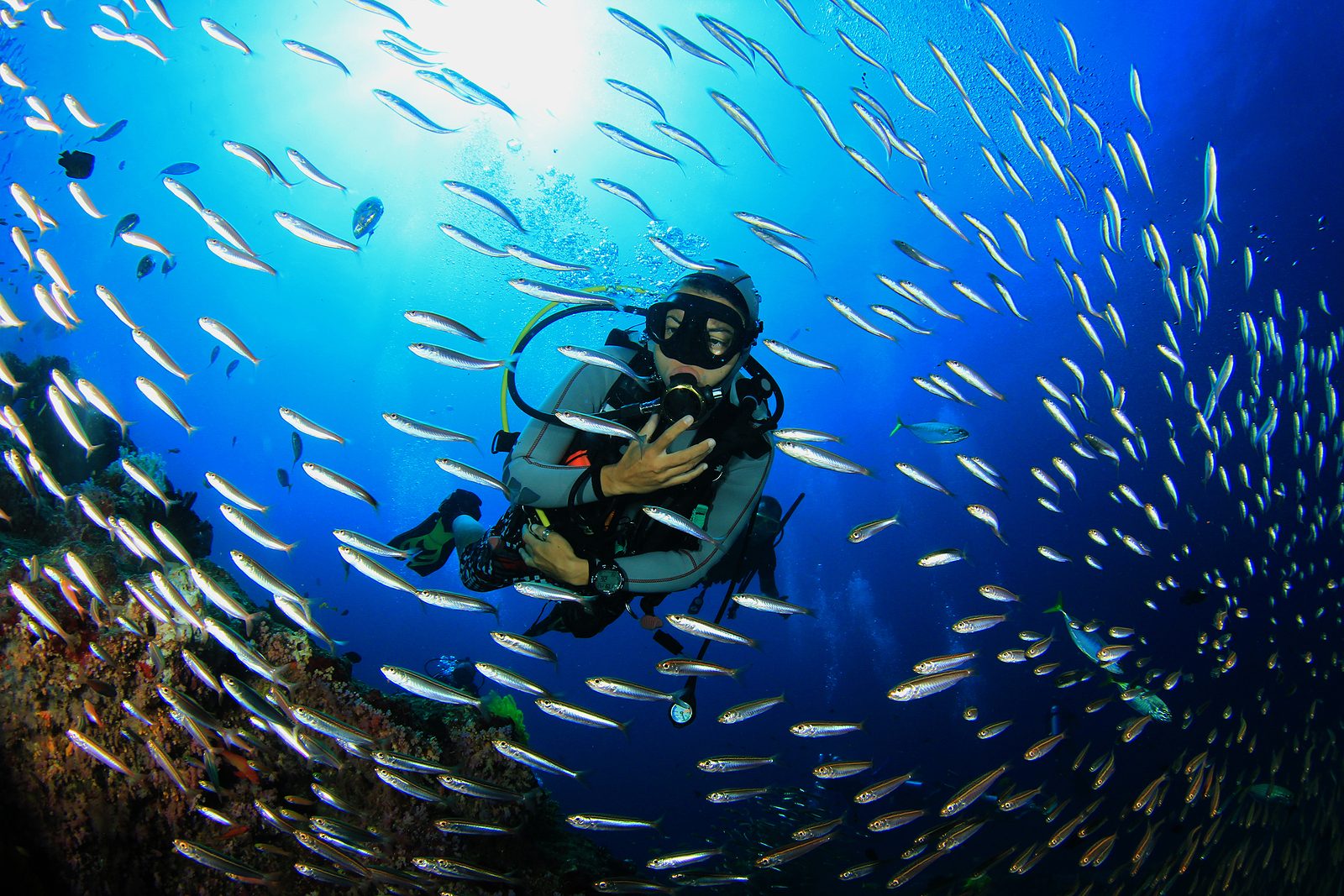
Croatia snorkeling fish species include painted comber, rainbow wrasse, salema, two-banded sea bream, brown meagre, damselfish, ornate wrasse and Mediterranean parrotfish in rocky shallows, plus sand-dwelling species like red mullet and occasional octopus in seagrass beds. Visibility peaks between May and September when water temperatures of 22–26°C bring breeding aggregations into depths of one to six meters. Morning sessions between 08:00 and 11:00 deliver the clearest water before afternoon thermal winds stir sediment.
A single morning snorkel along the Istrian Peninsula can yield fifteen fish species, yet most visitors leave Croatia unable to name a single one. The Adriatic's moderate biodiversity—a fraction of tropical reef counts—makes species identification practical for beginners, and the shallow limestone shelves that fringe the coast concentrate fish into snorkeling range. Painted comber and rainbow wrasse dominate the three-to-five-meter zone where sunlight reaches the rocky substrate. Comber males patrol small territories, their blue-and-orange flanks flashing during courtship dives, while wrasse flip pebbles in search of crustaceans. Salema travel in tight schools of twenty to sixty individuals, their gold stripes aligned as they graze algae from vertical rock faces. Two-banded sea bream hover near urchin clusters, and brown meagre—hand-sized juveniles in summer, forearm-length adults by autumn—idle in the shadow line beneath overhangs. Damselfish, territorial and fearless, hold patches of filamentous algae against all comers, including snorkelers who drift too close. The Adriatic's signature species include ornate wrasse in Posidonia seagrass, Mediterranean parrotfish rasping limestone with fused teeth, and dusky grouper occupying crevices in depths just beyond comfortable freediving range. Seasonal pulses reshape the resident cast. May brings wrasse fry into the shallows, their translucent bodies clustering near the surface. July and August push pelagic species—garfish, juvenile amberjack—into bays as surface temperatures climb past 25°C. September delivers the year's peak diversity when summer breeders overlap with early migratory arrivals. October marks the start of the lean season; by November, species counts drop by half as fish retreat to deeper, thermally stable water. Snorkeling the croatia marine environment requires no special permits—public access to Adriatic coastal waters remains free—but morning outings between 08:00 and 11:00 yield double the visibility of midday sessions, when wind-driven surface chop scatters light and suspends fine sediment. Rocky headlands and island channels concentrate fish better than open sandy bays; look for zones where substrate transitions from sand to rock, depth drops from two meters to six, and shade from cliffs or overhangs creates refuge. A pocket fish-identification card and five minutes of pre-trip study will convert a generic underwater spectacle into a named, memorable encounter with species that have occupied these limestone coasts since the Adriatic refilled after the last ice age.
“A single morning snorkel along the Istrian Peninsula can yield fifteen fish species, yet most visitors leave Croatia unable to name a single one.”
The optimal time to observe Adriatic fish species is the best arrival window of 08:00–11:00, when water clarity is highest and wind-driven surface chop remains minimal. This period provides the calmest conditions for spotting species like the Mediterranean rainbow wrasse or saddled seabream.
Warm waters 23°C–27°C
Peak temperatures encourage high fish activity, though morning hours remain essential for visibility before afternoon breezes begin.
Pleasant 21°C–24°C
Water remains warm from summer, and the reduction in boat traffic improves visibility for snorkeling.
Cooler 17°C–20°C
While fish are active, wetsuits are recommended for longer sessions in the water.
—
Mid-week early arrival ensures the quietest conditions and prevents disturbance to marine life before peak daytime activity.
Verdict: The best time to snorkel is between 08:00–11:00 during the months of June or September.
The Adriatic Sea hosts a diverse range of marine life that thrives in its temperate, clear waters. Snorkelers can observe various Mediterranean fish species exhibiting distinct behaviors in their natural rocky and seagrass habitats.
Known as Oblada melanura, this species is identified by the prominent black spot located on its tail base. They are social fish frequently observed swimming in groups near the surface.
Chromis chromis is a small, dark-colored fish that gathers in large schools over rocky reefs. They are often the most visible species when snorkeling in shallow coastal areas.
Serranus scriba displays distinct, colorful markings and is a solitary, territorial predator. These fish typically remain close to the seabed, often resting on rocks or waiting for small prey.
Sarpa salpa is a herbivorous species often seen grazing on algae attached to underwater rock faces. They move in coordinated schools and are easily recognized by the horizontal golden stripes along their bodies.
Coris julis is a highly active, colorful fish characterized by its slender body and changing patterns as it matures. They are curious by nature and often investigate movement within their territory.
Thalassoma pavo is frequently spotted by its bright green and blue vertical stripes. This species is highly energetic, constantly darting between crevices to hunt small crustaceans.
The Adriatic Sea coastline remains accessible for snorkeling observation at all times. Visitors may access public coastal waters throughout the day and night.
Pack the right gear and observe basic marine etiquette to make the most of Adriatic snorkeling.
Everything you need to know about croatia snorkeling fish species
You will frequently encounter Mediterranean rainbow wrasse, sea bream, and damselfish while exploring the coast. These croatia snorkeling fish species are abundant in the shallow rocky areas typical of the Adriatic Sea.
Most marine life in the region is harmless, though sea urchins are common on rocky bottoms. Wearing water shoes is a simple way to protect your feet while observing the local fauna.
The best arrival window is 08:00–11:00 to ensure calm water and higher visibility for spotting marine organisms. Afternoon thermals often reduce clarity, making morning the optimal time for observation.
There is a 0 EUR entrance fee to enjoy the public Adriatic Sea waters. You can access the coastline freely without purchasing tickets to view these natural habitats.
No, you do not need a special license for recreational snorkeling. You are free to swim and observe the biodiversity along the public coastline at your leisure.
Children can safely enjoy watching croatia snorkeling fish species as long as they stay in shallow, calm areas. Always supervise them closely and ensure they wear appropriate flotation devices if necessary.
A quality mask and snorkel are sufficient for viewing Adriatic biodiversity in their natural environment. Using an underwater camera or a waterproof identification card can help you catalog the different croatia snorkeling fish species you encounter.
Water temperature and clarity change throughout the year, impacting activity levels of various schools of fish. Late spring through early autumn typically offers the most comfortable conditions for snorkeling and observing underwater behavior.